The FDA’s Dual Glucose-Ketone Wearable, Explained
 by ahsan
August 26, 2026
6 min read
by ahsan
August 26, 2026
6 min read
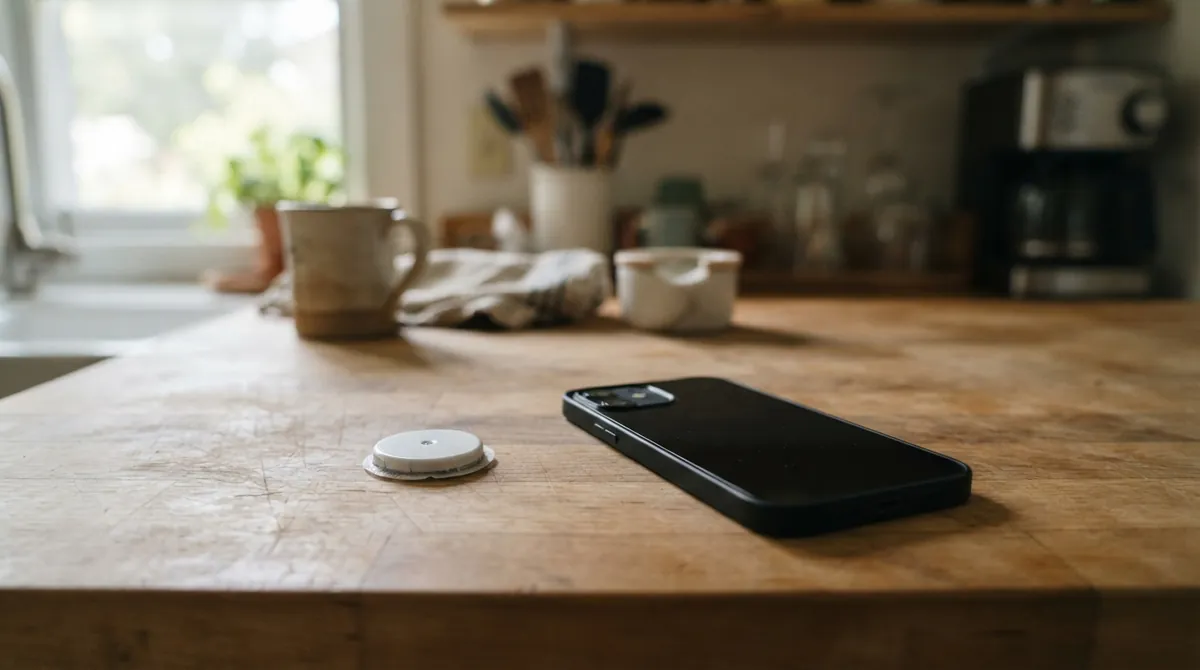
Picture a child with type 1 diabetes, a form of diabetes in which the body makes little or no insulin, sleeping through a stomach bug. A continuous glucose monitor (CGM), a wearable that follows glucose levels over time, can show what blood sugar is doing. It cannot show whether ketones are quietly climbing. Until now, ketone checks usually meant a blood or urine test at one moment: a snapshot, not a slope.
On August 25, 2026, the U.S. Food and Drug Administration (FDA) authorized Abbott Diabetes Care’s Libre Duo 10 Day Continuous Dual Glucose Ketone Monitoring System for people aged 2 and older living with diabetes. The FDA describes it as the first wearable device in the United States to continuously monitor ketones, and the first in the world to monitor ketones and glucose together in one device.
The headline sounds like another wearable announcement. The more important change is the time scale. Ketone monitoring is moving from occasional checks toward a continuous stream of information.
Why glucose is only half the picture
Glucose is the sugar in your bloodstream that cells use for energy. Insulin is the hormone that helps move glucose from the blood into those cells. When the body does not have enough insulin, it begins breaking down fat for fuel instead. That process produces ketones, chemical compounds that can build up when the body is struggling to use glucose normally.
Too many ketones can make the blood dangerously acidic, causing diabetic ketoacidosis, usually shortened to DKA. DKA is a serious, potentially life-threatening complication. It is most common in people with type 1 diabetes, although people with type 2 diabetes can also develop it.
Why does continuous ketone monitoring matter when glucose monitors already exist? Because glucose and ketones do not always rise and fall together. Illness, prolonged fasting, missed insulin, and certain medicines can change the picture. Someone may see a glucose number that does not look dramatically high while ketones are moving in a dangerous direction. Early symptoms of DKA can also resemble the flu, including nausea, fatigue, and general weakness.
The Centers for Disease Control and Prevention estimates that 40.1 million people in the United States have diabetes, including about 2.1 million people with diagnosed type 1 diabetes. For a large population managing diabetes every day, an earlier warning signal could matter most during the hours when nobody wants to be awake taking repeated measurements.
How one sensor reads two signals
The Libre Duo measures glucose and ketones in interstitial fluid, the thin layer of liquid that surrounds cells just beneath the skin. This is the same general kind of body fluid used by many continuous glucose monitors. The sensor’s measurement system translates chemical changes in that fluid into digital readings, which are sent wirelessly to a compatible smartphone.
The device is designed to update both measurements every minute, day and night. That creates up to 1,440 reading opportunities per day for each signal. Instead of seeing only a ketone value from a test taken at 9 a.m., a user can see the current reading, recent history, and whether the level is trending upward or downward.
That distinction between a reading and a trend is important. A single number tells you where the body was at one point in time. A sequence of numbers gives software enough context to show movement and issue an alert when ketones reach a concerning threshold.
The sensor is not guessing ketone levels from glucose. Ketones are measured as their own signal alongside glucose. Putting both functions into one small wearable creates a technical challenge: the sensor has to distinguish two different chemical measurements while maintaining reliable performance during everyday movement, sleep, and changing body conditions.
Interstitial-fluid readings are also not the same thing as drawing blood directly. That does not make them useless, but it does mean the device must be used according to its labeling, especially when a reading does not match symptoms or expectations.
What changes when you can see a trend
Imagine someone with diabetes becoming sick overnight. A traditional ketone test could reveal a high result, but it would not show whether the level had been rising for the previous several hours or had already started to fall. Repeated testing can fill in some of that story, but it takes time, supplies, and attention.
A continuous sensor can provide more context in the background. If ketones begin rising, an automatic alert may prompt the person or a caregiver to check glucose, review the sick-day plan, contact the diabetes care team, or seek urgent medical attention when appropriate. The device does not decide what treatment is needed. It may provide information earlier, while there is still more time to respond.
The FDA emphasizes that ketone readings should always be interpreted alongside glucose readings and symptoms. That pairing is one of the system’s main strengths. Ketones alone can be worrying, but ketones viewed beside glucose and how someone feels give a more useful clinical picture.
What FDA authorization actually means
The FDA based its authorization on six clinical studies involving more than 600 participants aged 2 and older. The studies evaluated the glucose and ketone functions across a range of levels and over the device’s 10-day wear period. According to the FDA, the results showed that the system tracked clinically meaningful differences in ketones, including elevated levels before the onset of DKA.
The Libre Duo received Breakthrough Device designation before authorization. That designation is intended to speed development and review for devices that may offer more effective diagnosis or treatment for serious conditions. It is not a guarantee that a device will work perfectly or eliminate an emergency.
The FDA used the De Novo pathway, a regulatory route for new types of low- to moderate-risk medical devices. Because the Libre Duo represents a new device type, the FDA is also establishing special controls. These are specific requirements for areas such as labeling and performance testing, added to the general rules that apply to medical devices.
Authorization and availability are not always the same moment. As of August 26, 2026, Abbott’s U.S. product page lists the Libre Duo 10 Day system as coming soon. People may therefore hear about the authorization before the sensor is widely available through pharmacies, healthcare providers, or insurance plans.
Promise with guardrails
The Libre Duo is a monitoring device, not a treatment device. It does not diagnose DKA by itself, tell someone what insulin dose to take, or replace an established diabetes care plan. Alerts also depend on compatible hardware, enabled settings, and a functioning wireless connection. No alert system catches every severe event.
Current safety information advises using a fingerstick glucose value for treatment decisions when sensor readings or alarms do not match symptoms or expectations. A person with concerning symptoms should follow their medical plan and seek care rather than waiting for a wearable to resolve the uncertainty.
That caution does not diminish the technical advance. It defines the role of the technology. The Libre Duo adds a second continuous signal to a category that has mostly focused on glucose alone.
The lasting idea is straightforward: a ketone value can tell you what is happening now, but a ketone trend can show where the body may be heading. For people living with diabetes and the families watching over them, that extra context could turn a frightening surprise into an earlier warning.
Comments (0)
No comments yet. Be the first to respond!
Leave a Comment
Your comment will be visible after review.